
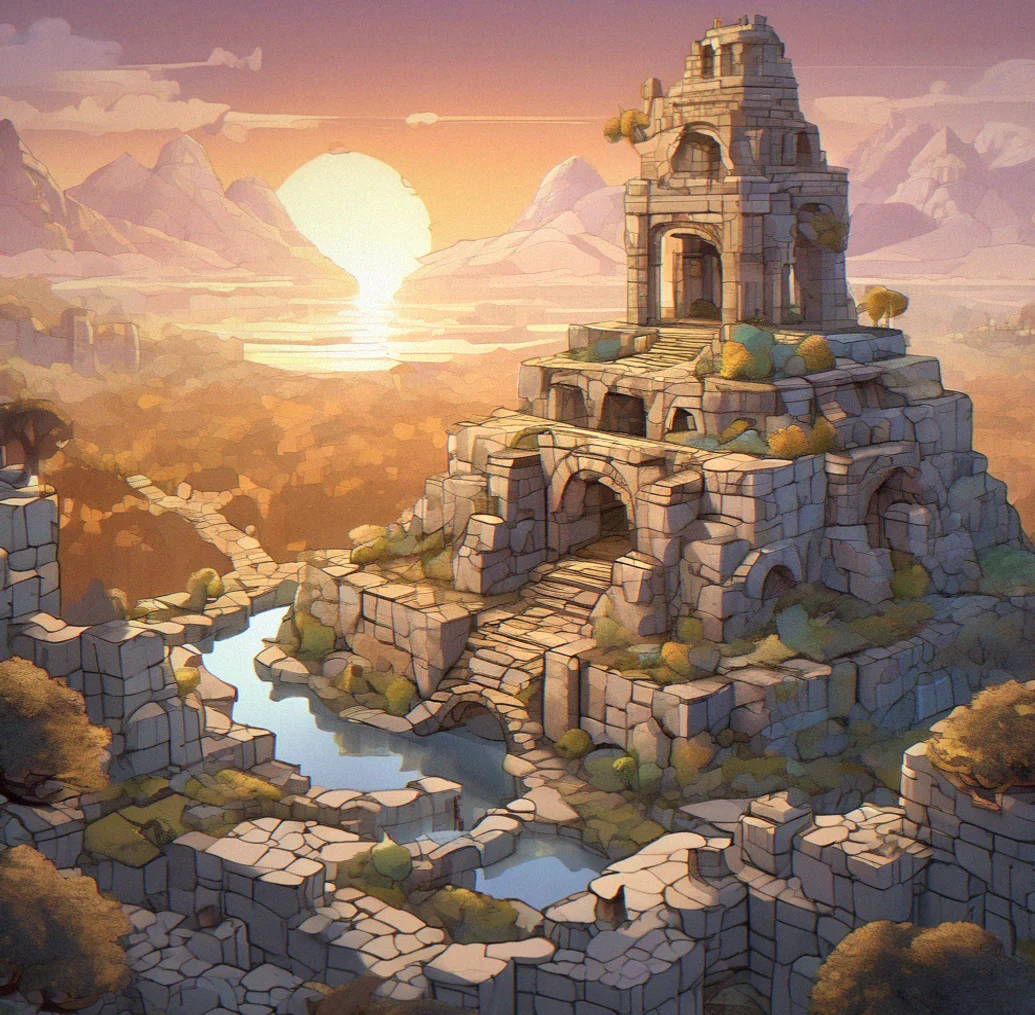
Spatial puzzles
The problem exists in three dimensions. You rotate it, walk through it, see how the constraints talk to each other. No narrative locking you down. No clicking your way through.
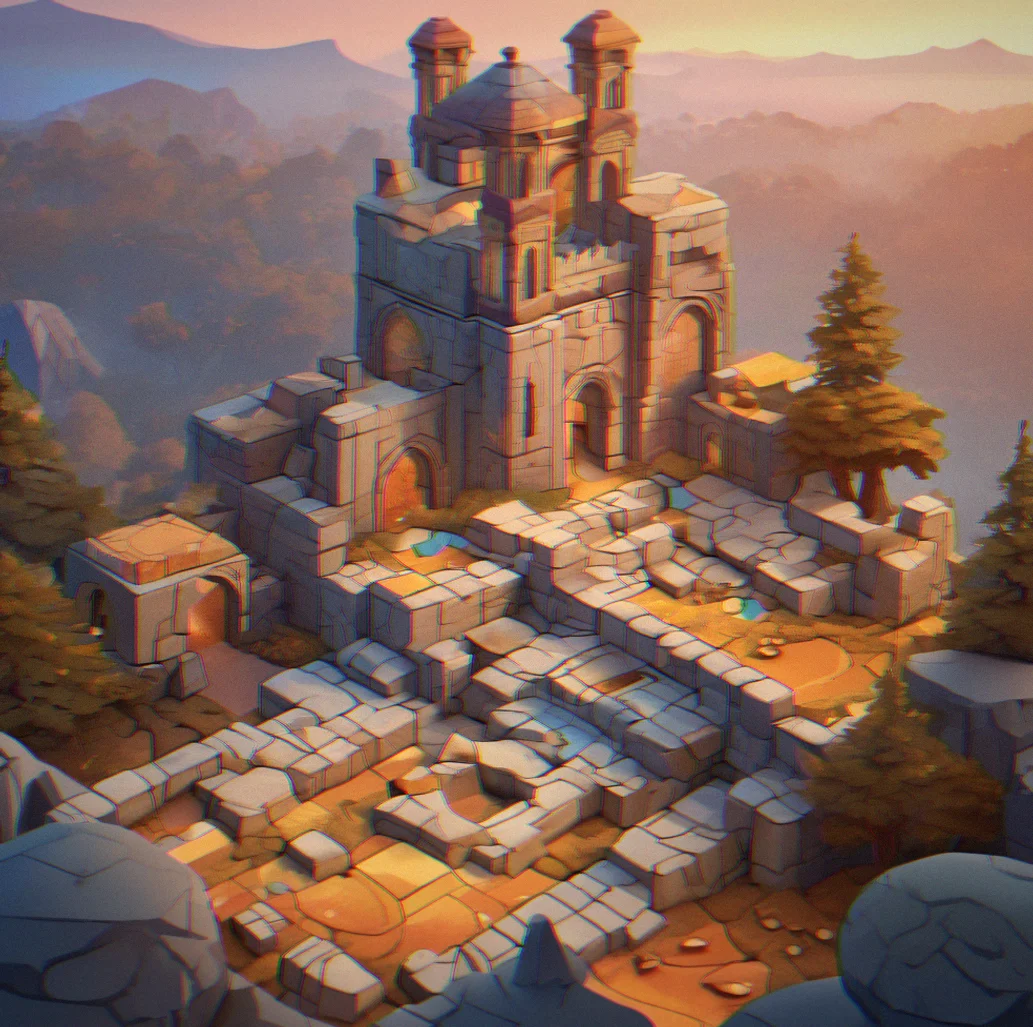
If you think in shapes
The kind of game you play for half an hour and lose tarck of time.
Silvercorner is built for players who work through geometry in their head. You rotate impossible shapes until something clicks, then you move on. No battle pass grinding. No daily login rewards. No cosmetics you can only get if you log in every week. What you get is simpler than that. You figure out something new. The ruleset is clean but complex enough to surprise you. Maps that feel good to explore. Each playthrough adds layers you didn't notice before.
Start playingMost people play for somewhere between thirty minutes and an hour and a half in a single sitting, working through spatial problems that move at their own speed. These images capture what that's actually like—the focused quiet, the spaces that make you want to look harder, that split second right before everything makes sense.
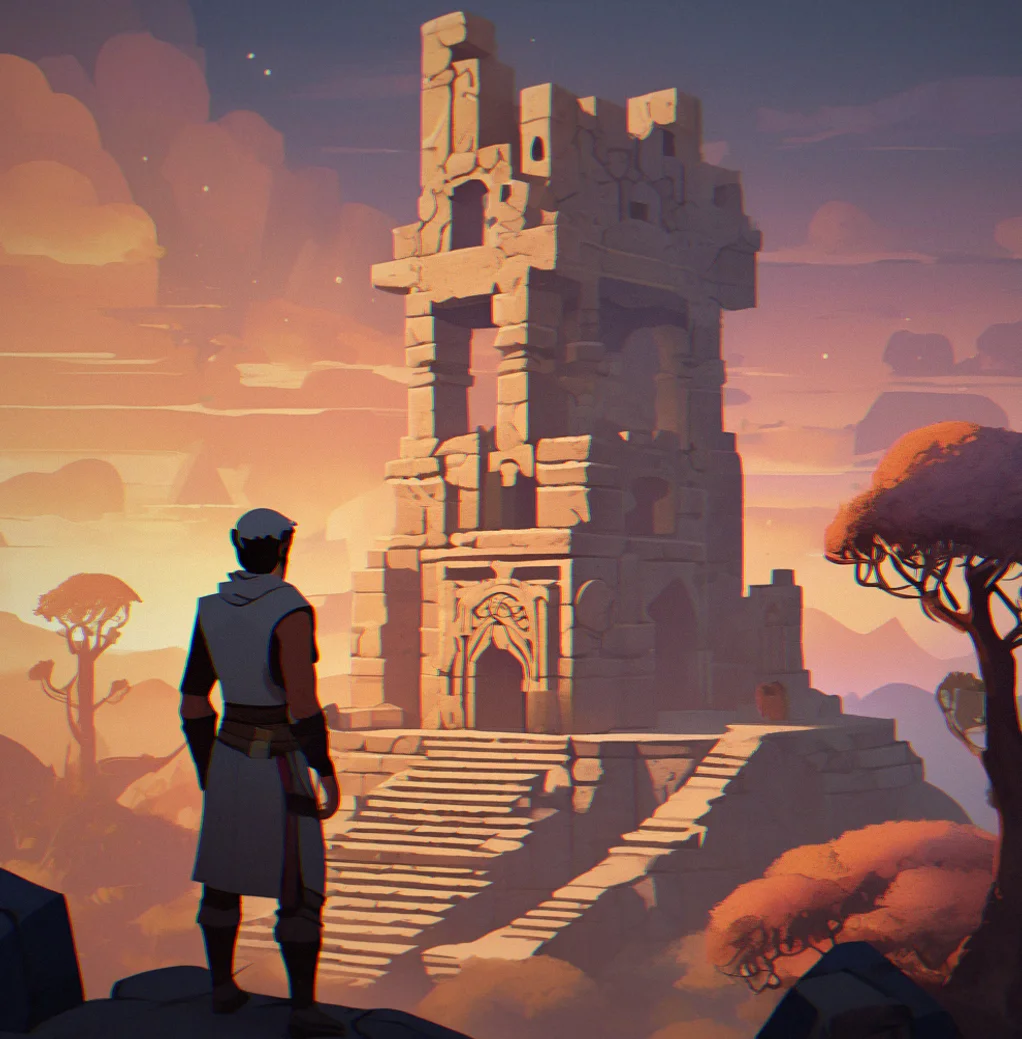
Before you figure it out
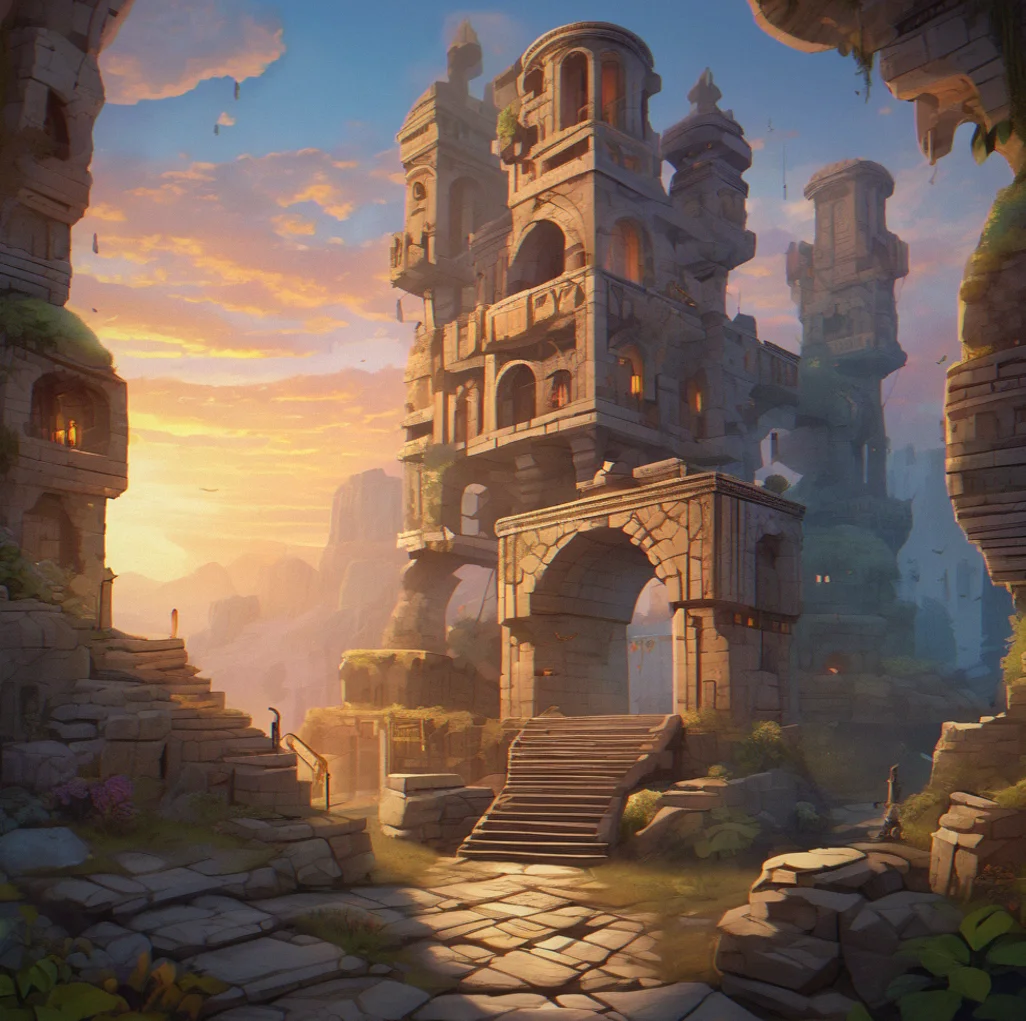
You find something worth finding
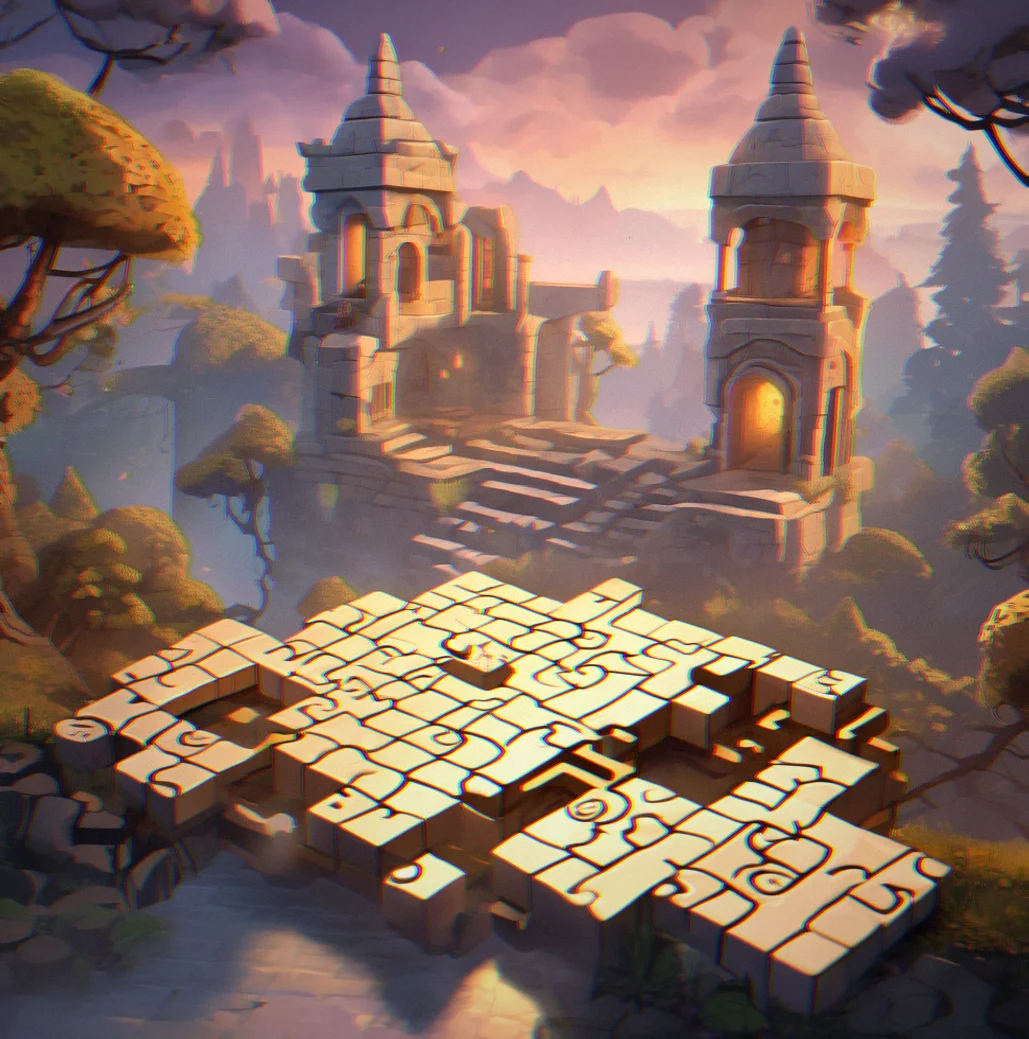
Pieces start talking to each other
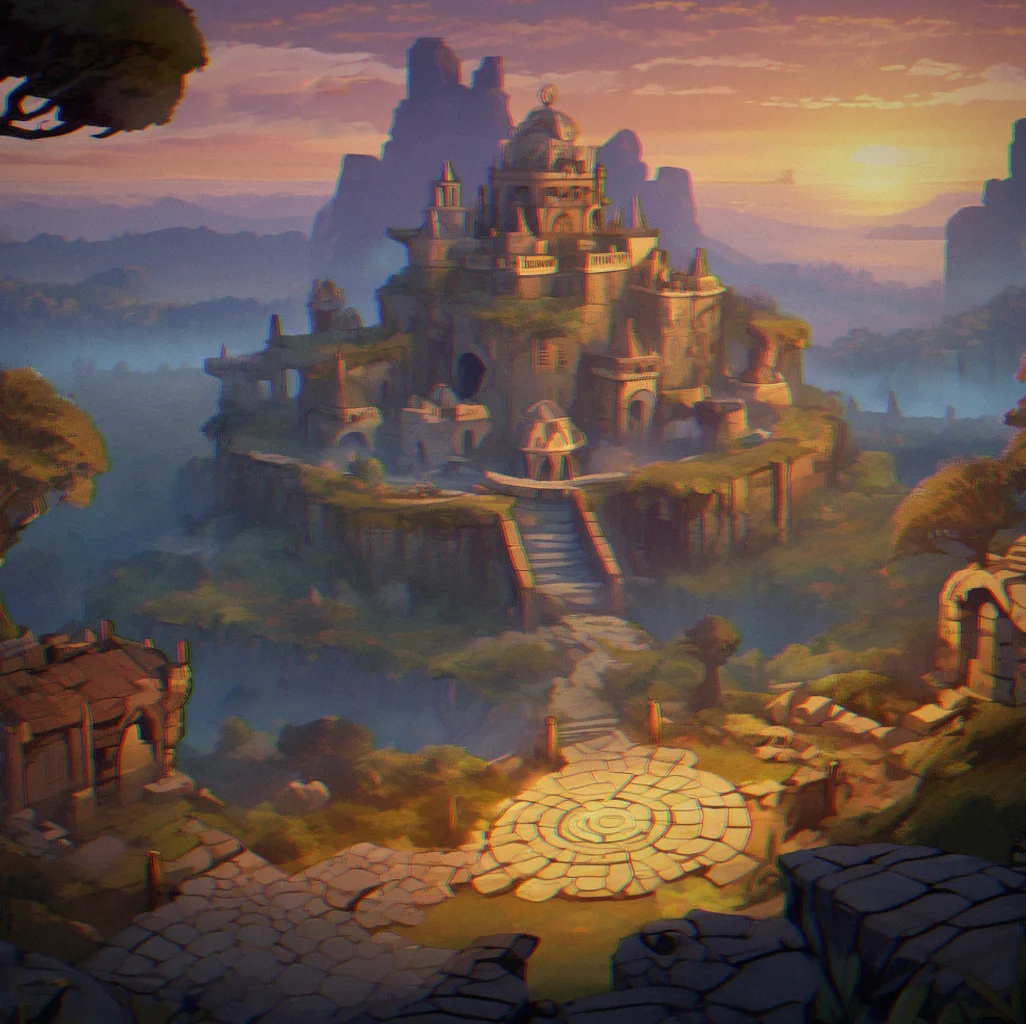
A place built for getting lost in

You progress by actually getting better, not by grinding hours. Play whenever you feel like it. Nothing's going to pop up and rush you.
Simple rules that you can hold in your mind. Complexity comes from how things interact, not from piling on more systems. Tweak one thing and the whoole problem looks different.
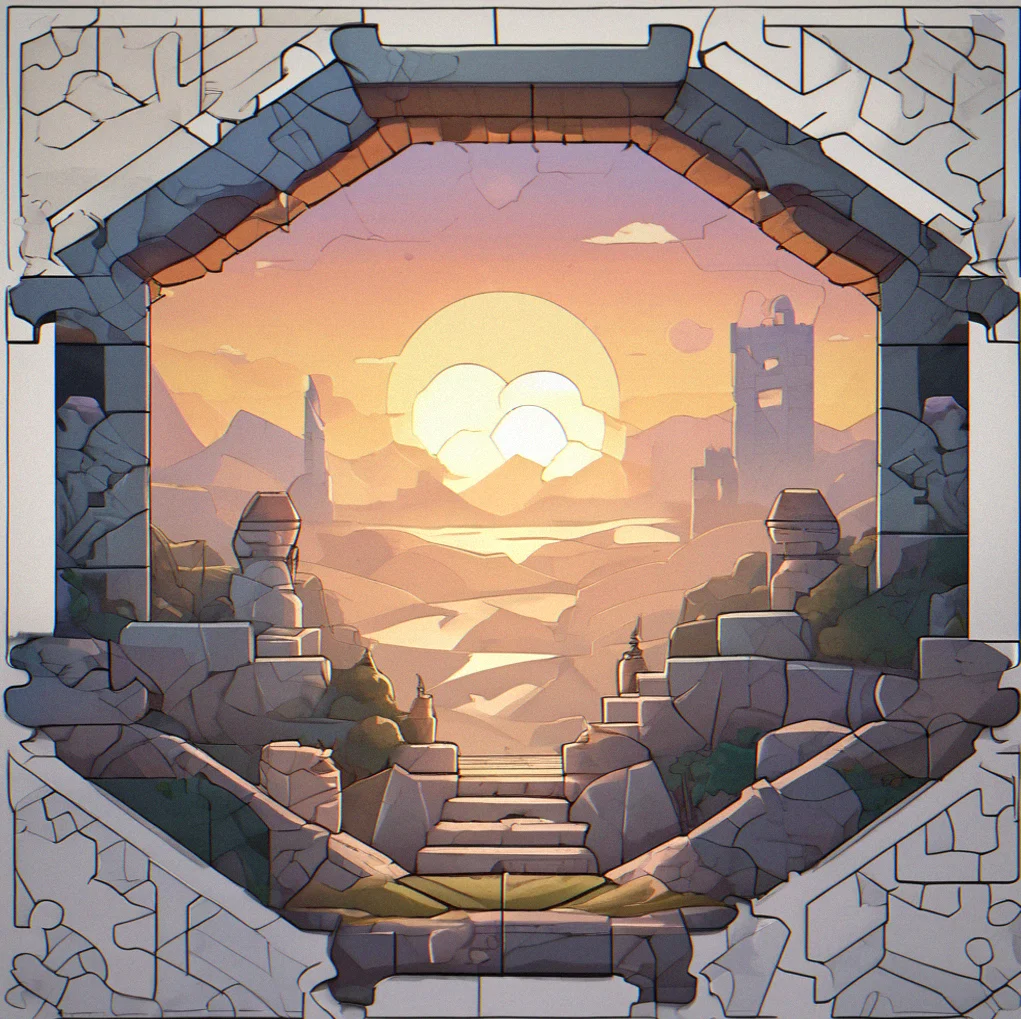
Going left instead of right actually changex what you learn. Symbols connect back to puzzles you already solved. The more time you spend in the space, the more sense it makes.

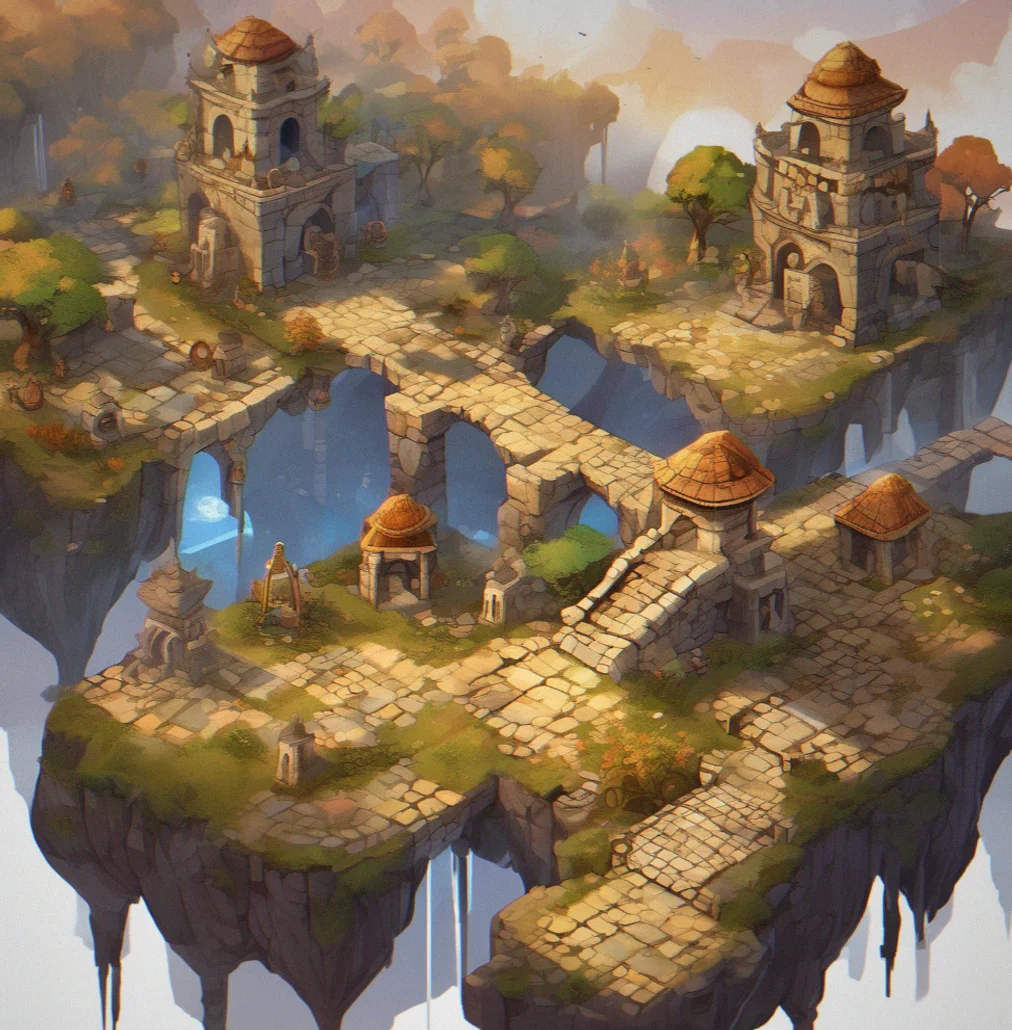
Designed for real thinking, not the quick-hit mobile game stuff. No countdowns pushing you to quit. You sit, you work through it, you move at your own speed.
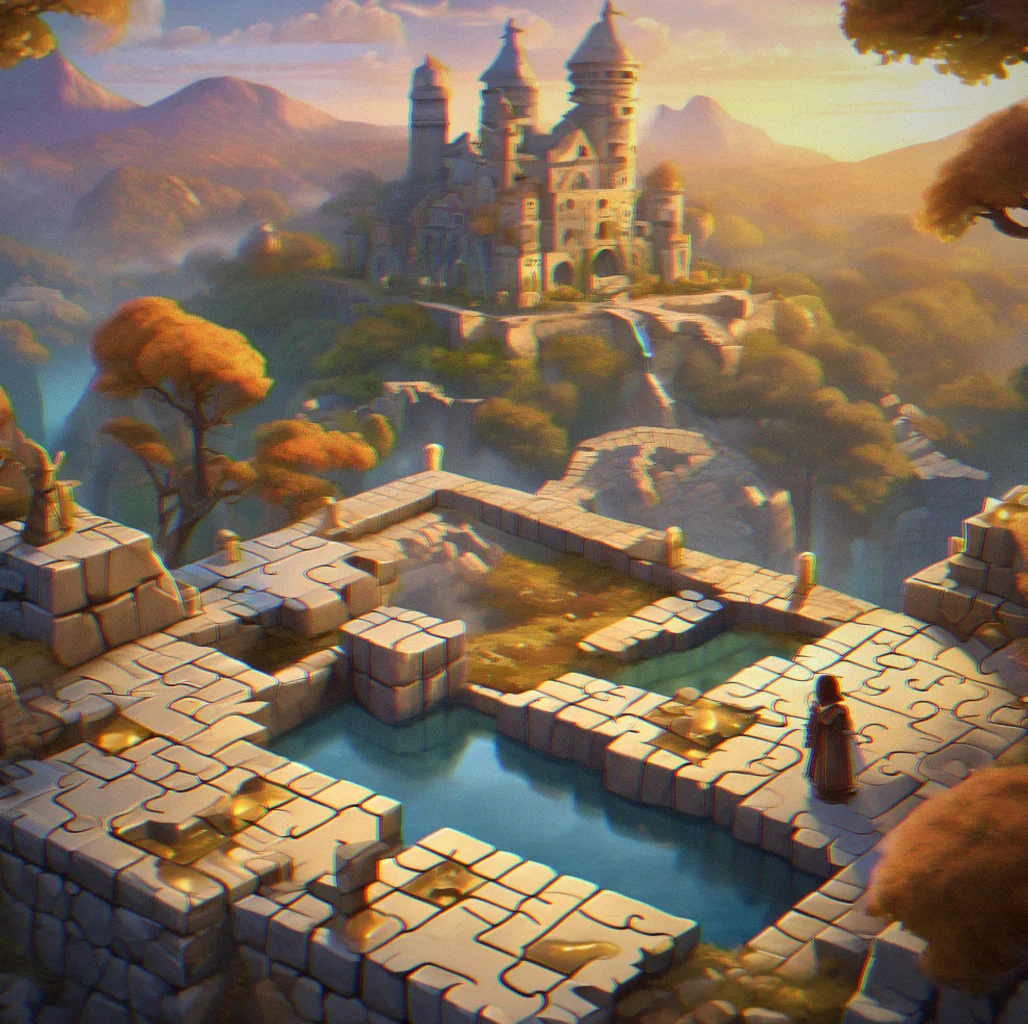
You couldn't do this before. Now you can. That's it. No fake gates or cosmetics you have to wait for. Getting better is the whole thing.
This lives in three dimensions. You're rotating it in your head, walking through it, figuring out how the constraints fit together. It's all geometry, not story beats or clicking.
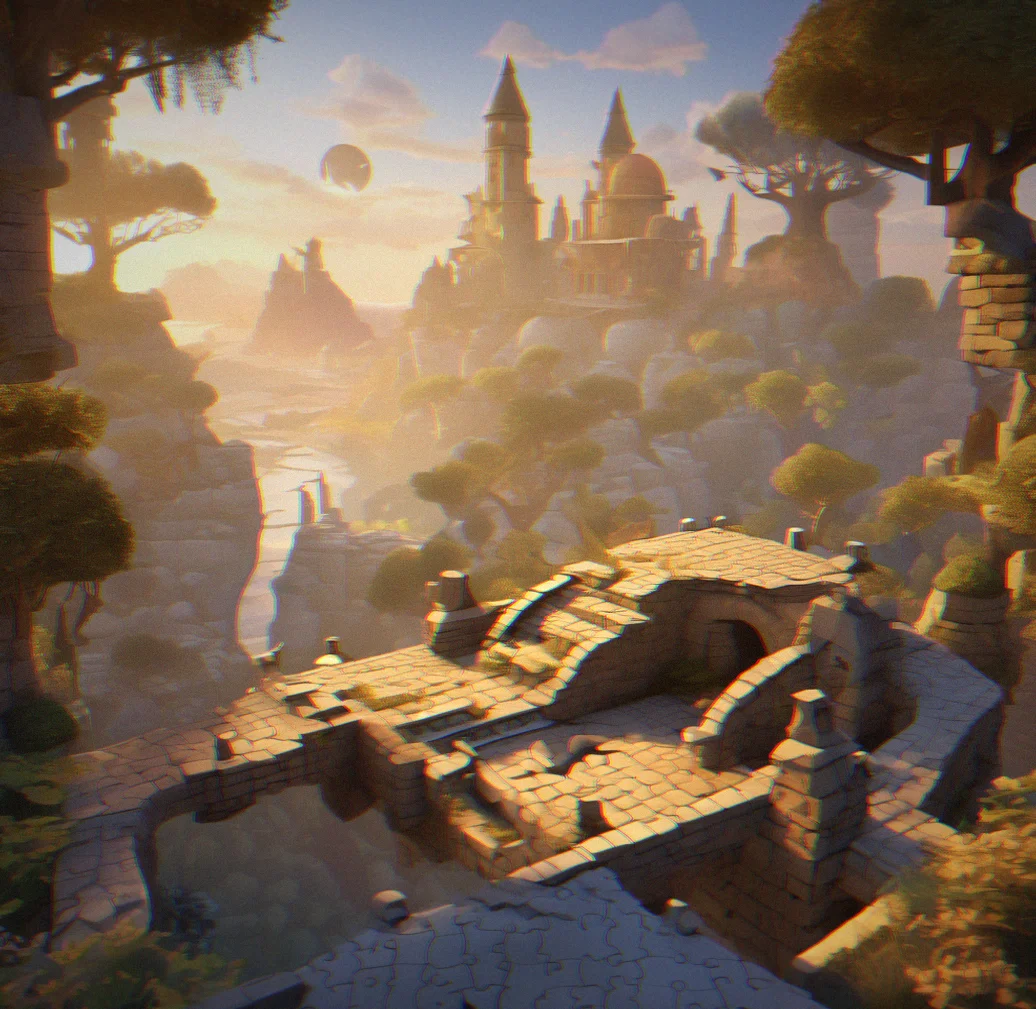

Play it again and you'll catch stuff you missed. The world feels like someone actually built it. The music and lighting make the puzzles work better, not get in the way.
Most games push you to hurry. Pressure builds. You react on instinct, not thought. Silvercorner does the opposite. You get a spatial problem—a room, rules, a logic puzzle—and then you have time. Eight minutes or eighty. The game waits. As you turn it over in your head, look at it sideways, the mechanics explain tehmselves through what you do. No tutorials. You figure it out by messing up safely, testing something, seeing how moving one piece shifts three others.
Simple rules. Barely anything to learn upfront. But they talk to each other. Place one constraint and the whole space changes. That's where it gets interesting.
You don't unlock things by grinding or buying stuff. You move forward when you actually understand something new. That's the only gate.
Poking around reveals story. Symbols connect to each other. The longer you sit in it, the more the place means something. Playing again isn't just repeating—you see more.
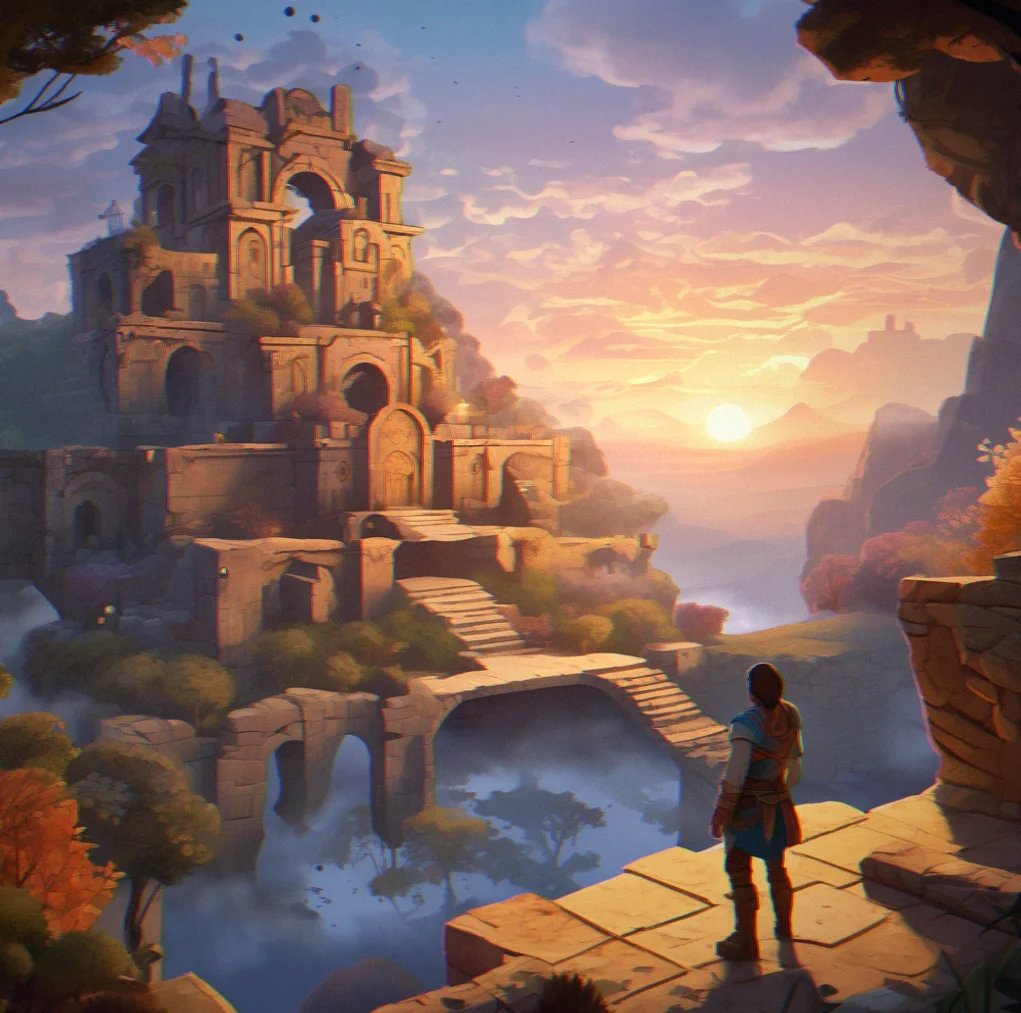
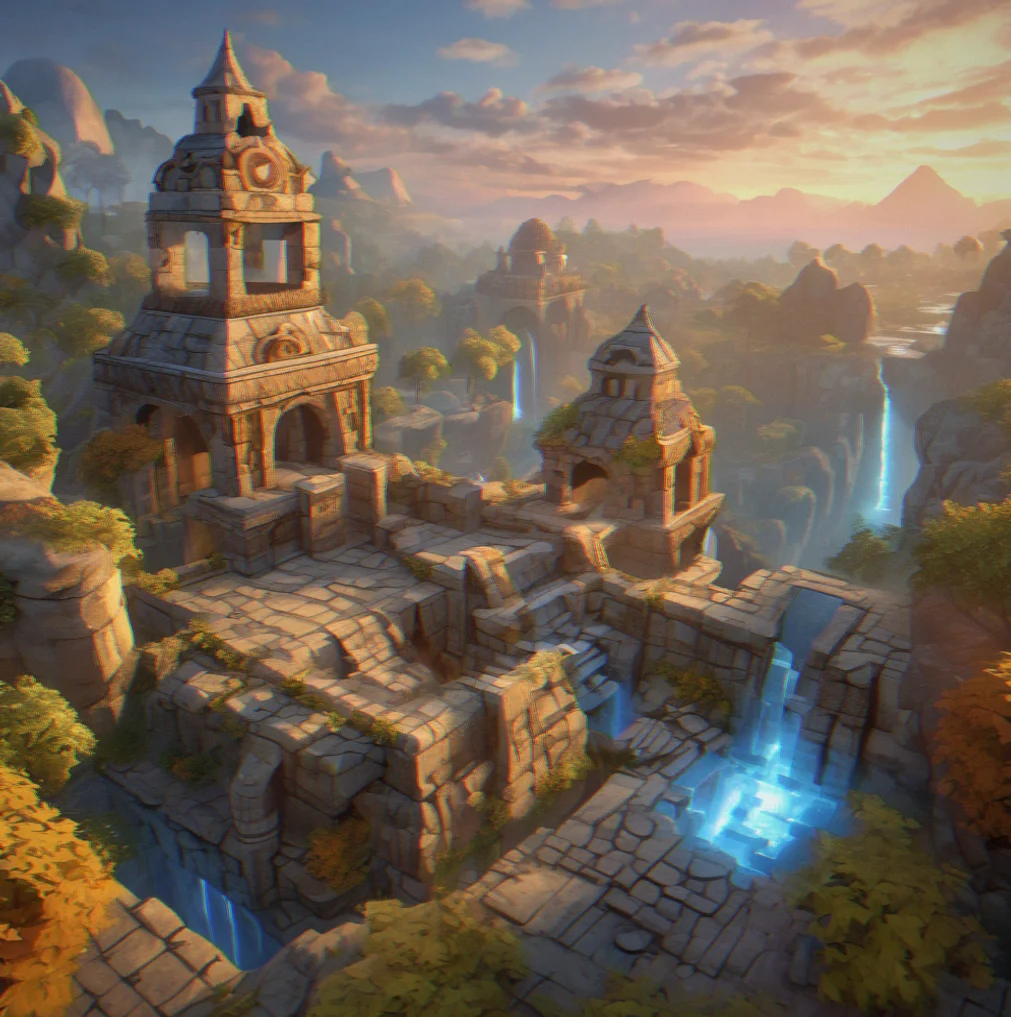
The puzzle lives in three dimensions. You rotate it in your head. Walk through it. See how the constraints actually work together. It's not a story you're following. Not something you click through. Just geometry.
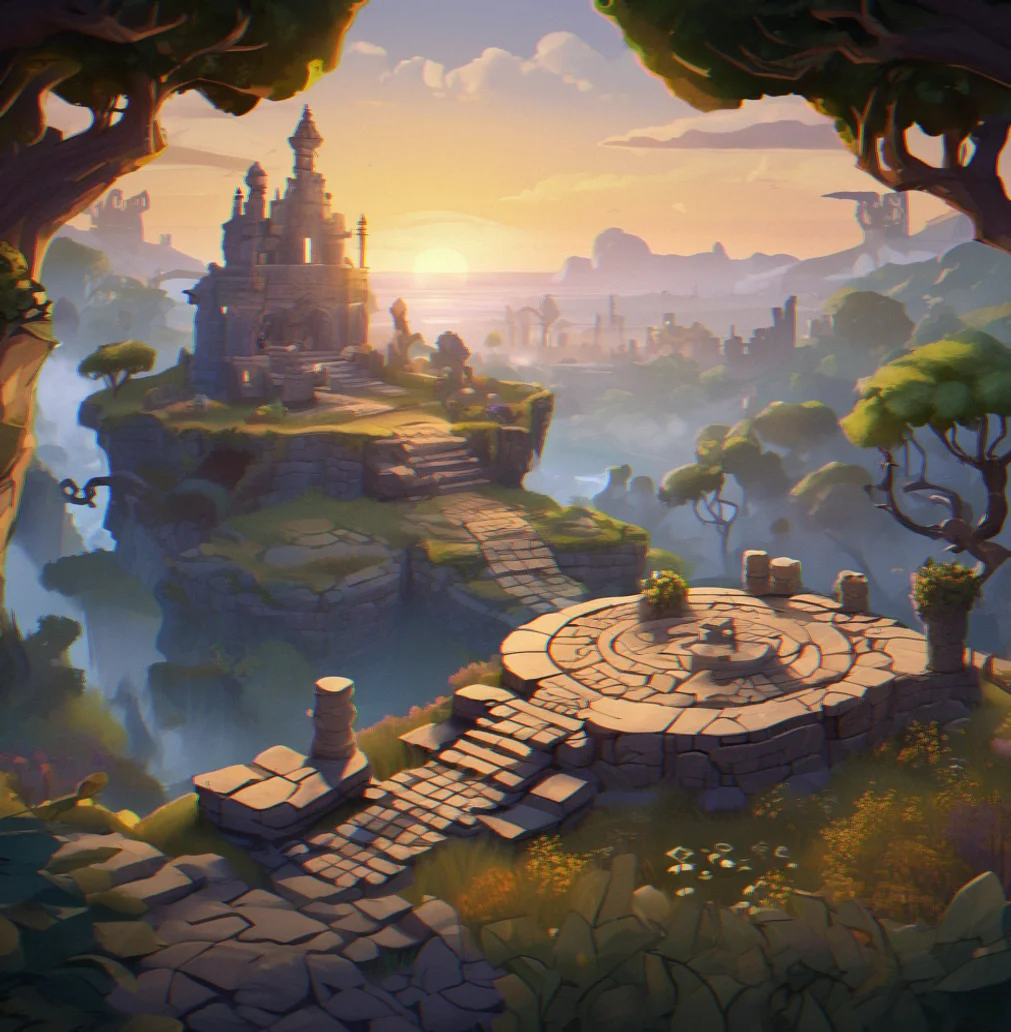
You get maybe five core mechanics. That's enough. The real challenge comes from watching them collide with each other, not from some endless list of special cases. Tweak one rule and the whole puzzle changes shape.

You couldn't do this last week. Now you get it. that understanding is what moves you forward, not how many hours you've logged or how much you've spent.

You wander around and things start making sense. Symbols connect back to puzzles you solved earlier. The world feels like it's actually built. Playing again isn't just repeating the same moves.
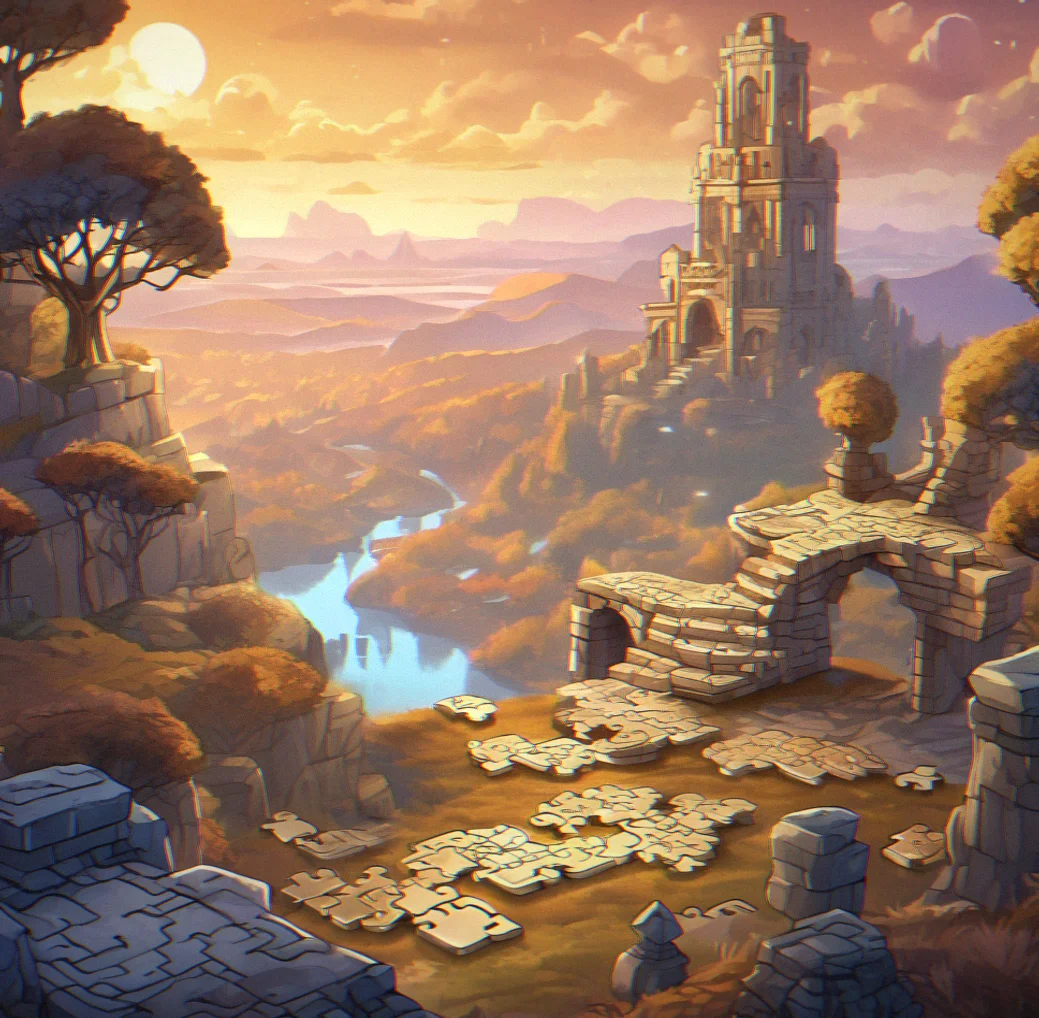
No battle pass. No skins you can only grab during a specific week. No daily login streak nonsense. You move forward because you figured something out, not because the calendar reminded you to log in.

Built to hold your attention without eating your whole evening. Long enough to feel substantial. Short enough to actually fit into a day.
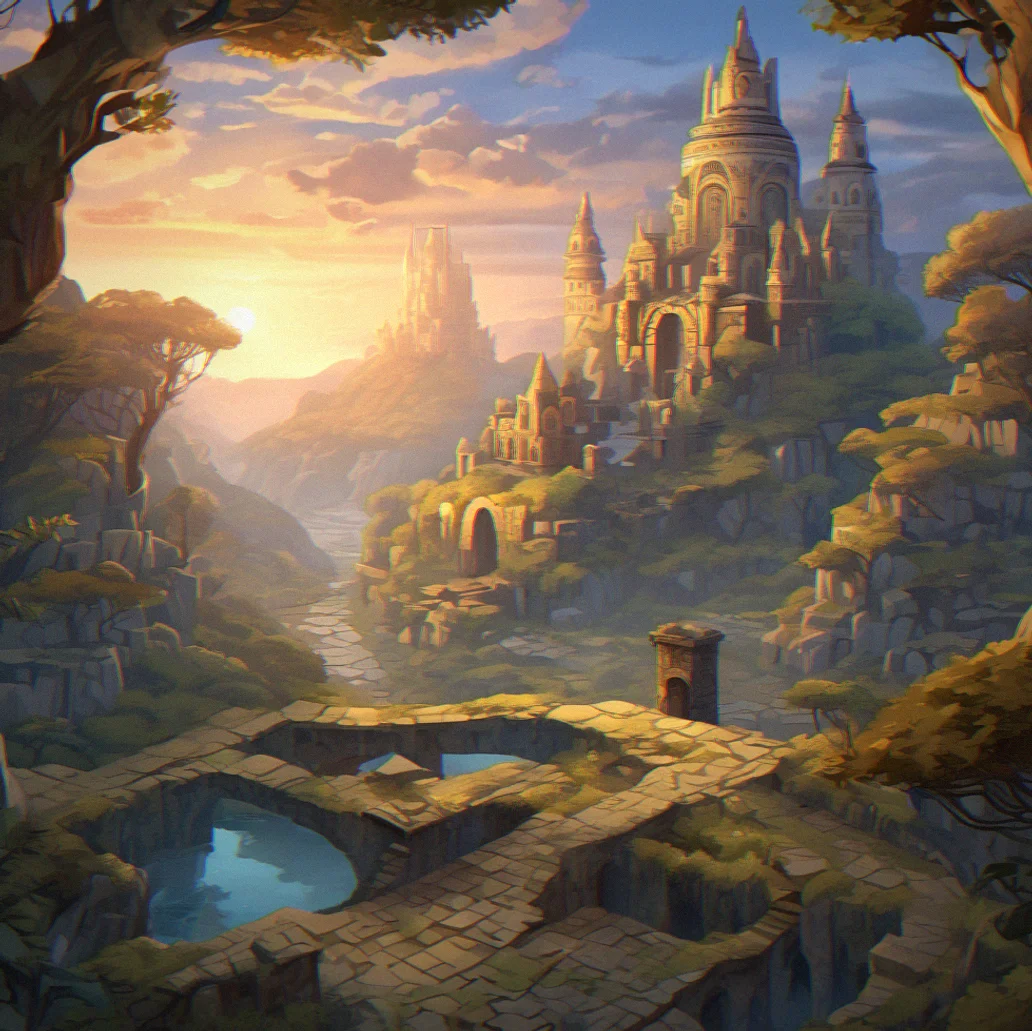
The music, lighting and pacing all reinforce the logic you're working through. It feels like somewhere real. Built because it matters, not just to distract. Everything points back to the thinking.
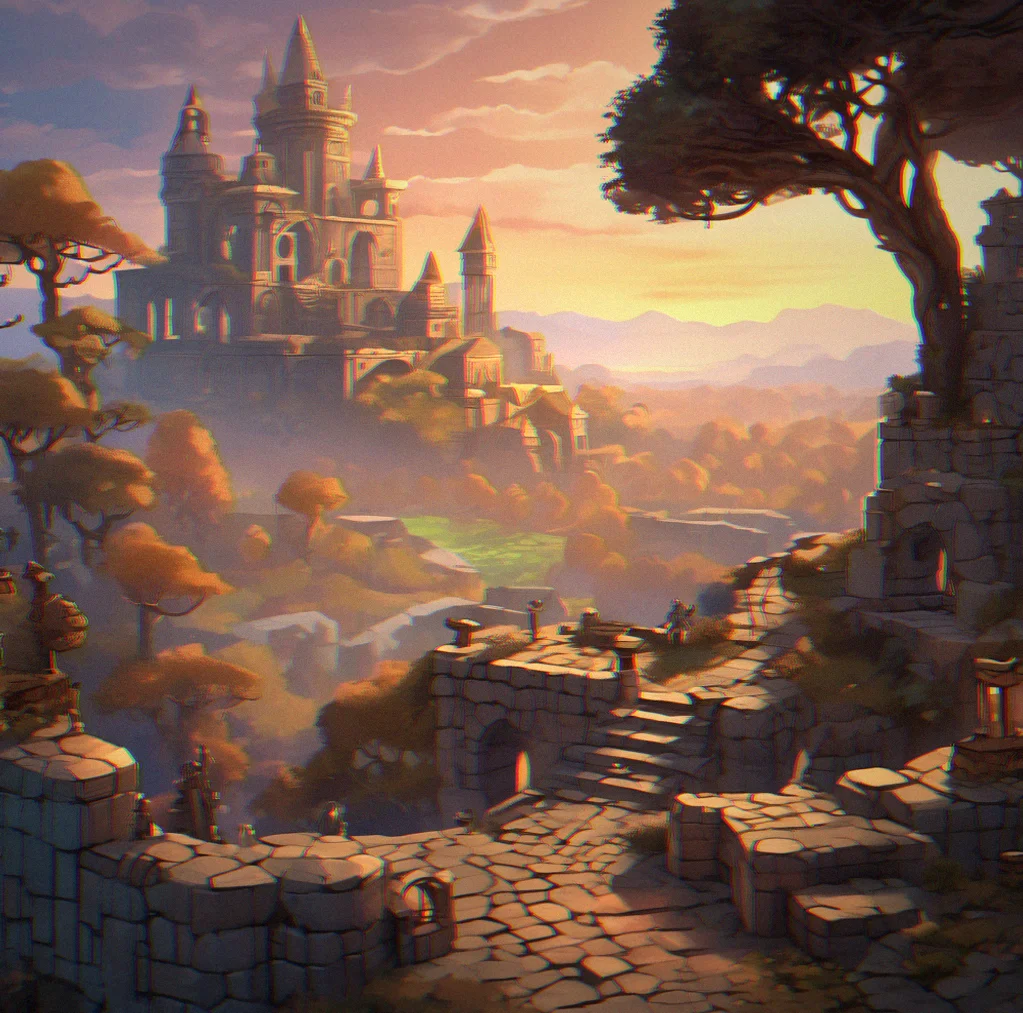
That instant when something hidden suddenly becomes obvious. When you understand why it has to work that way. When you land on the answer because you reasoned it out, not because you got lucky.
Eight core ideas that define how Silvercorner actually works and what playing it feels like.
The problem exists in three dimensions. You rotate it, walk through it, see how the constraints talk to each other. No narrative locking you down. No clicking your way through.
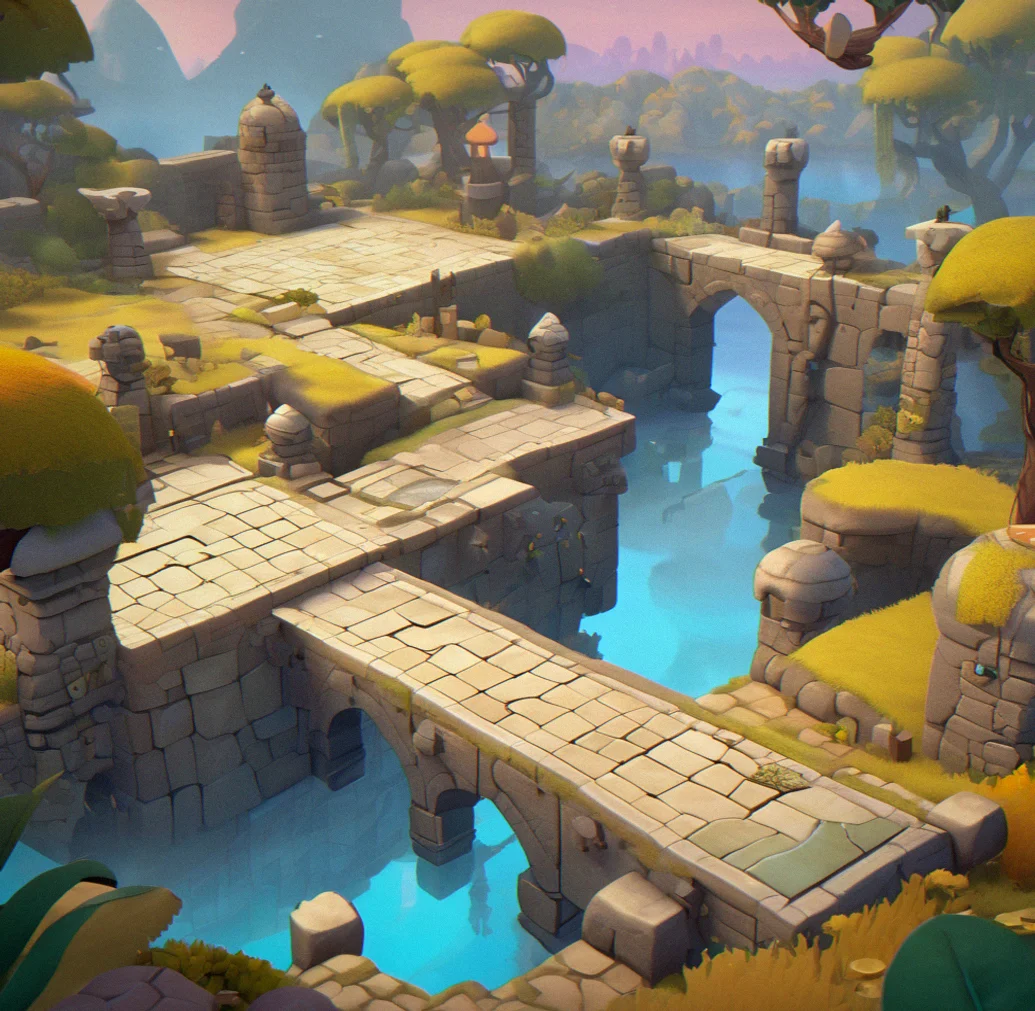
The ruleset? Write it on a postcard and you're done. Complexity comes from how things interact with each other, not from a list of exceptions. Tweak one variable and the whole thing transforms.

Why does moving forward matter? Because you got there by thinking it through, not by grinding time. You actually understand something you didn't before. That's what opens the next door.
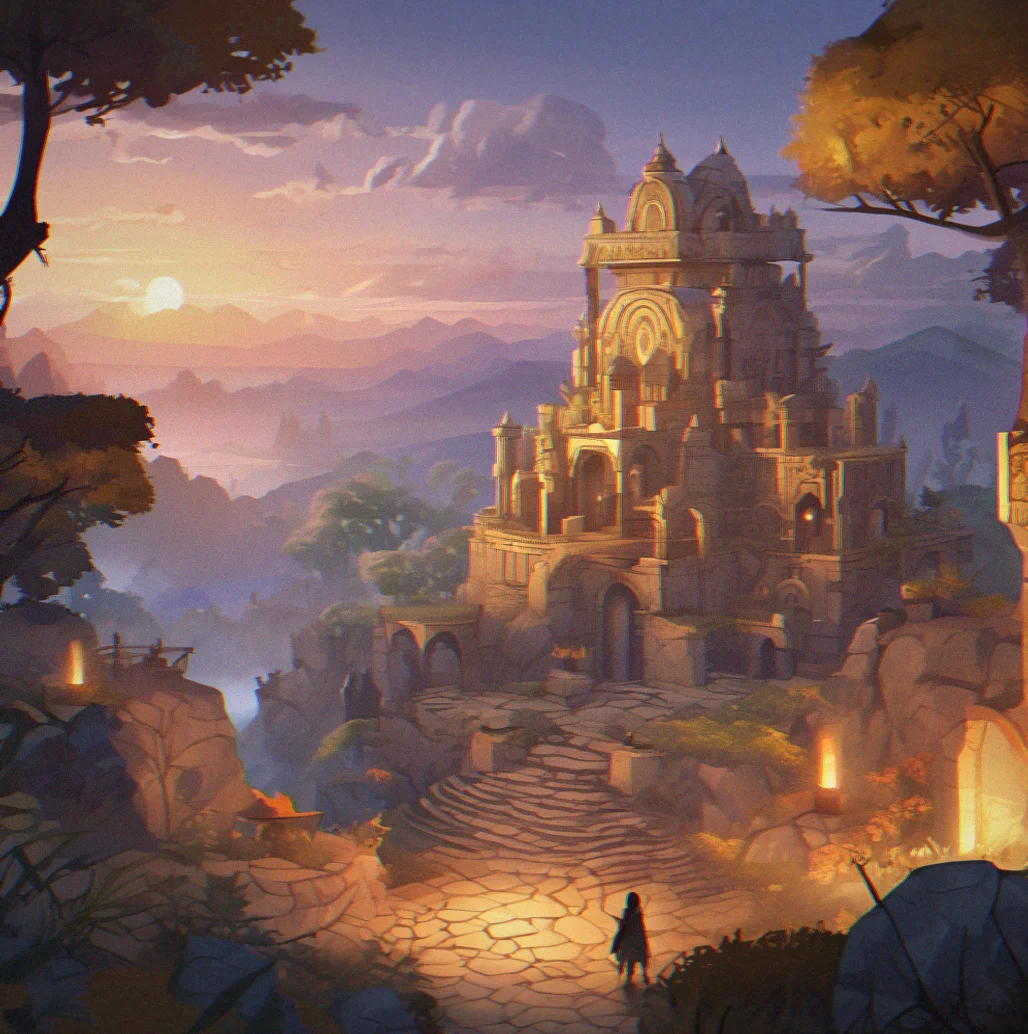
When you wander, the story reveals itself. Symbols connect to things you've seen and things still ahead. The world builds on itself. Playing again shows you new layers instead of just repeating.
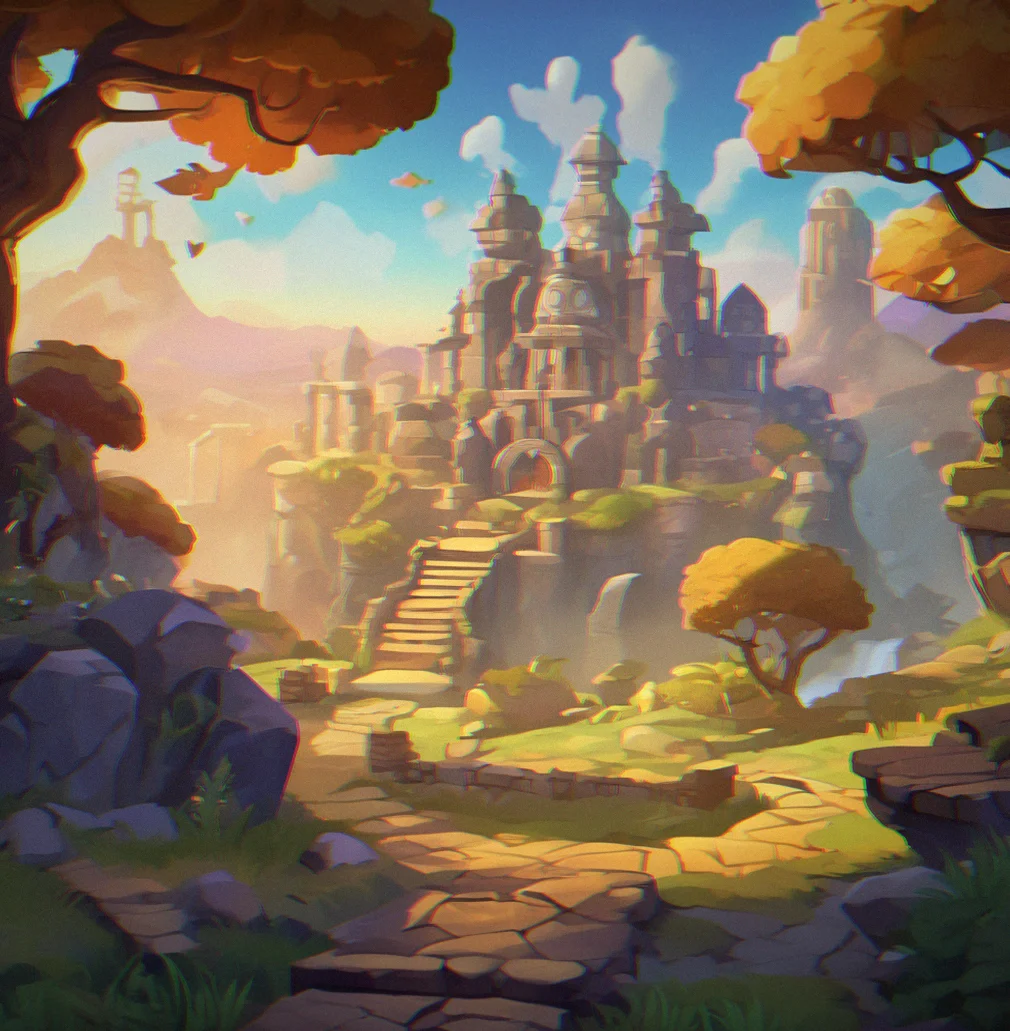
Battle passes don't exist here. No cosmetics locked behind timers. Seasonal resets? Nope. You play when you want to play. The game just waits.
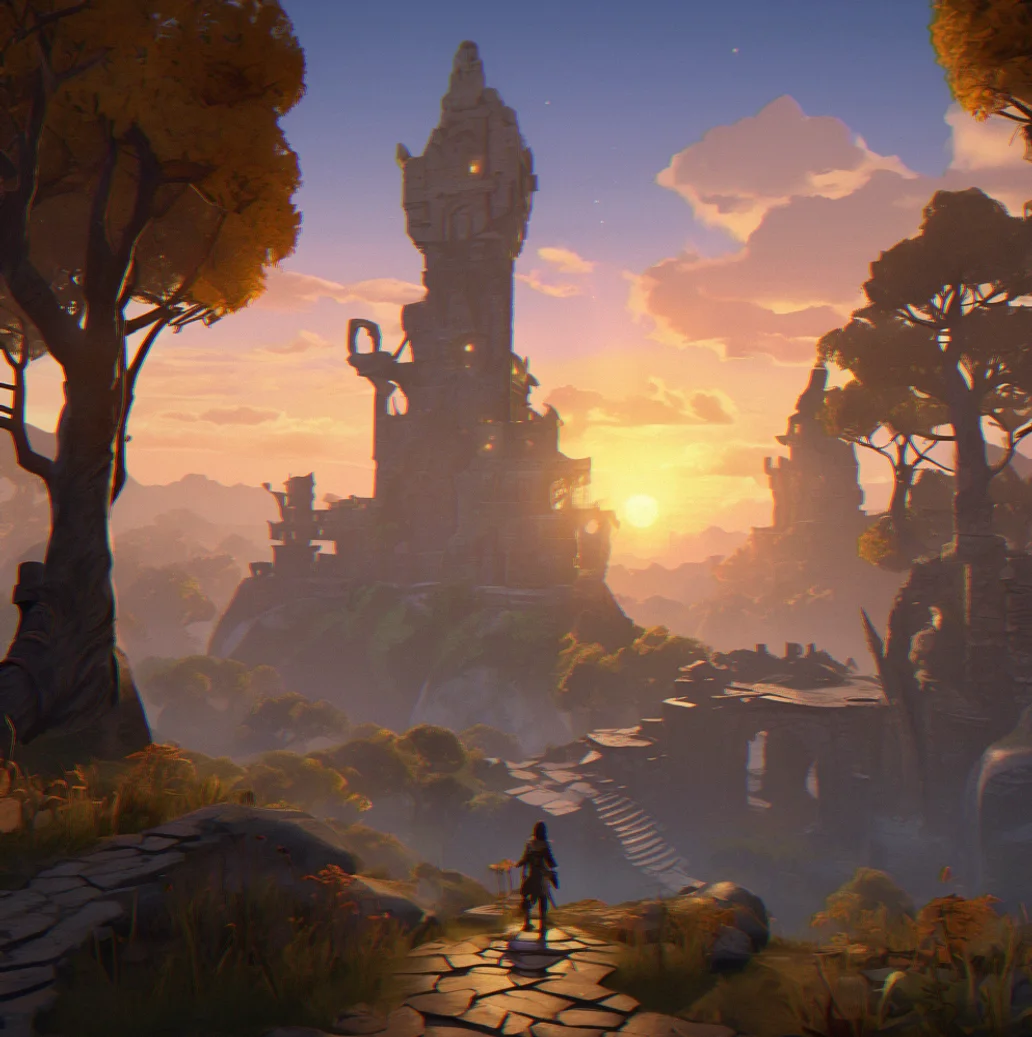
Half an hour to ninety minutes. Enough time to really sink into thinking. Short enough to actually fit into a day. Nothing interrupts you. No notifications.
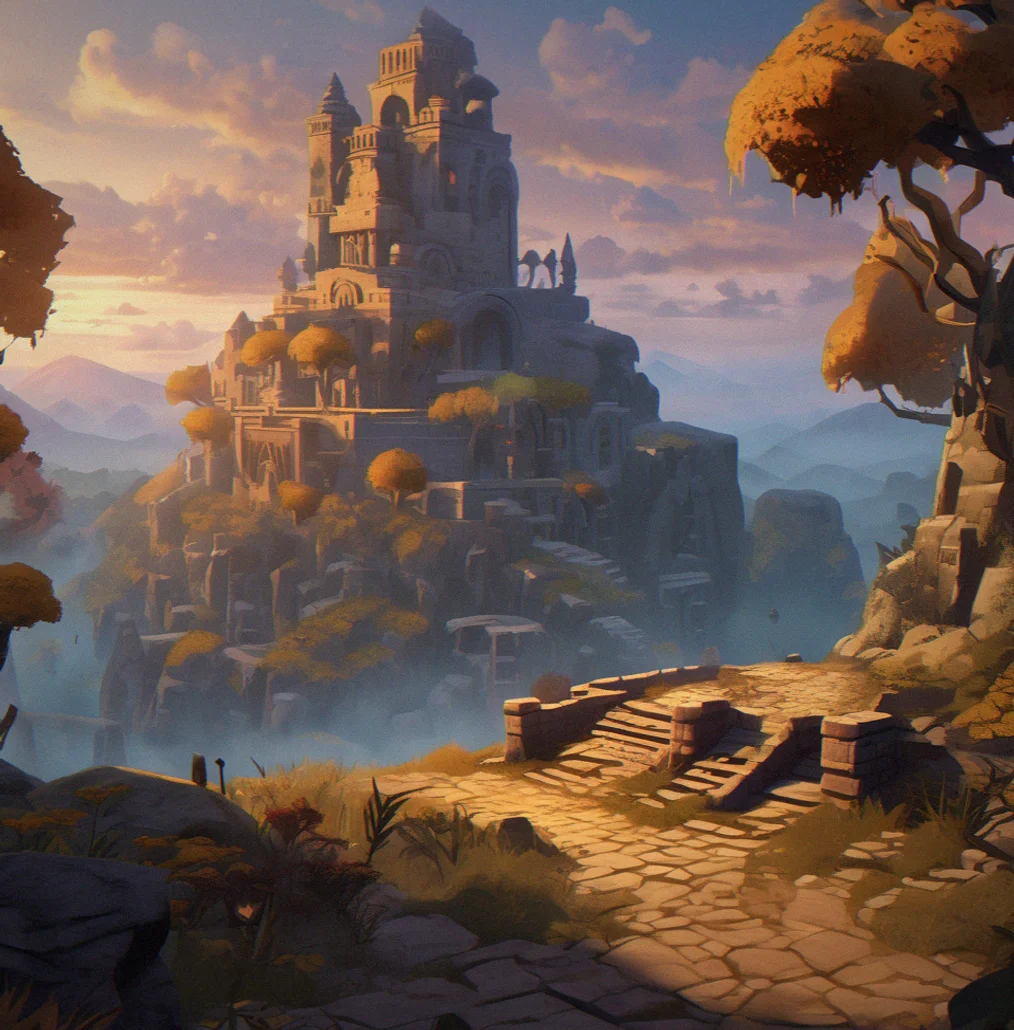
The music reinforces the logic, not your emotions. Lighting serves the puzzle, not as a distraction. Pacing gives you space to think. Every choice suppoorts understanding.
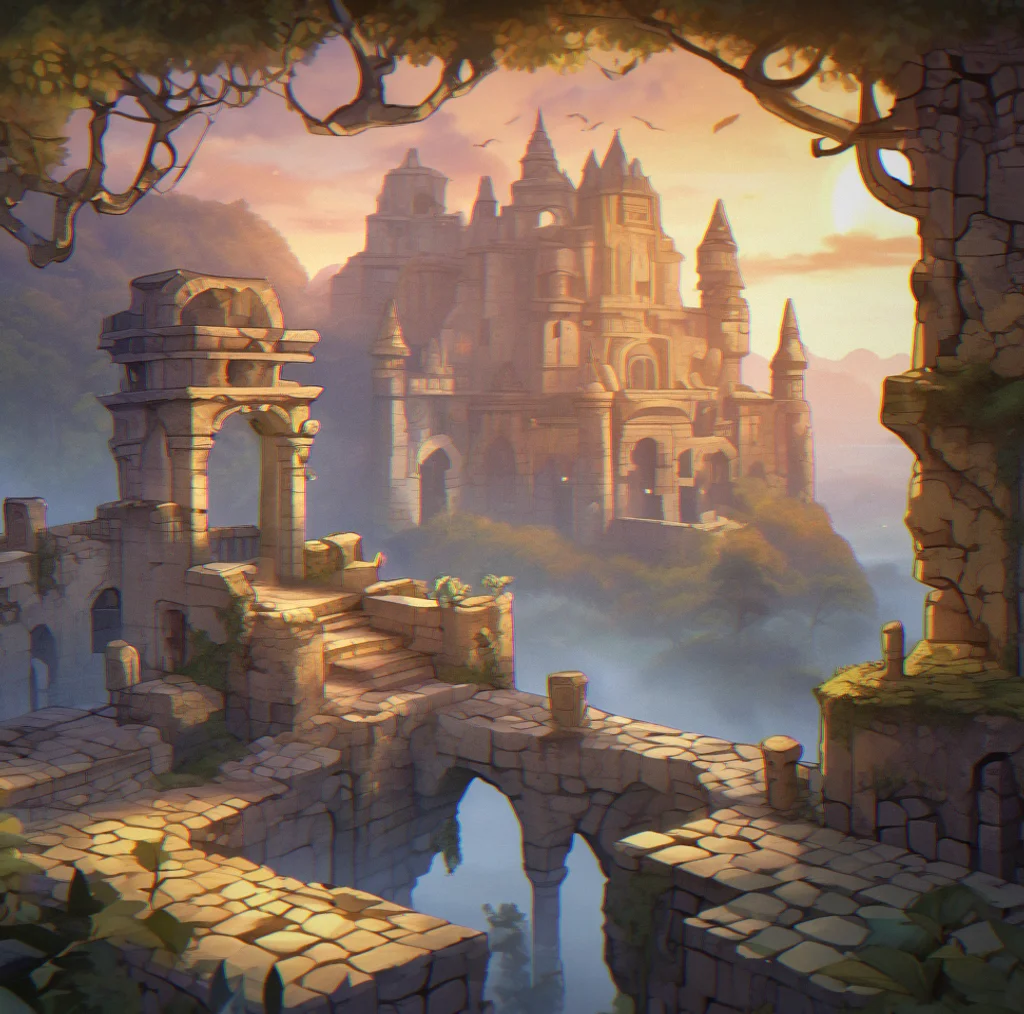
That moment when what seemed hidden suddenly becomes obvious. When the logic clicks. When you sit back because you reasoned your way through it. That's what it's about.
Real questions from people trying to figure out if this is actuaply for them. Straight answers, no marketing speak.
No. Silvercorner sits between casual mobile gaming and what you'd get from a smaller indie studio. It's built for longer sessions on desktop—think 30 minutes or more—with actual depth. Phone games are made for three-minute bursts. This isn't.
Most people play for somewhere between half an hour and an hour and a half. Some puzzles click in 8 minutes. Others take closer to 40. There's no timer kicking you out, and you keep your progress if you quit. Each session feels like you finished something.
No hints that give away the answer. Instead the world teaches you—you can walk back through spaces, look at mechanics from a different angle, let your brain sit with it. Sometimes you solve it by moving thruogh the environment again. UI prompts break the mood, so they're not there.
Single-player. No leaderboards, no comparing scores with other people, no rush. That also means no servers to maintain, nothing that requires internet, nothing getting in the way when you just want to think.
You can finish individual puzzles in one sitting. The world lets you play for 40 minutes, learn something, and close it feeling like you've done something real. No fake cliffhangers. No psychological tricks to make you come back. If you do come back, it's because you want to.